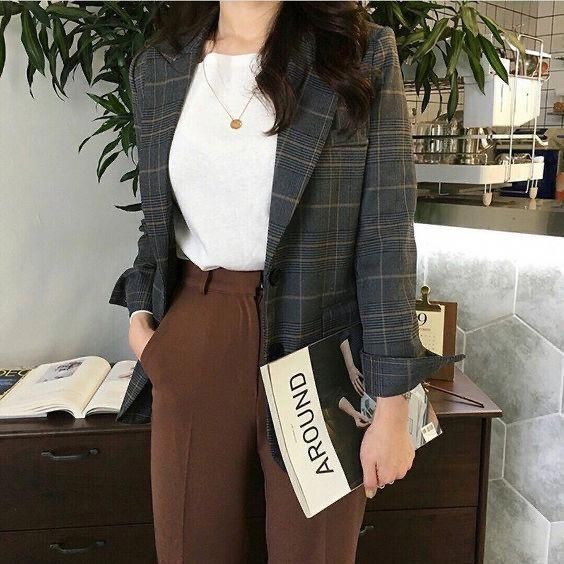
The beloved fictional character Anne Shirley from ‘Anne of the Green Gables’ once wisely stated, “It is ever so much easier to be good if your clothes are fashionable.” Similarly, the renowned American designer Edith Head believed that “You can have anything you want in life if you dress for it.” These simple statements shed light on the profound concept of ‘enclothed cognition,’ a fascinating phenomenon highlighting the powerful link between our clothing choices and our mental processes.
A year ago, I had the opportunity to deliver a lecture to a group of graduates who were preparing for an exam. Some of these students were struggling with lethargy and a sense of unfulfillment while working from home, despite landing their dream part-time jobs. I asked them two simple questions: “Do you wear your pyjamas when you work from home?” and “Do you turn on your cameras during the meetings?” As expected, most of them said “yes” to the first question and “no” to the second.
Most people ignore the fact that wearing comfortable and casual clothing might create a more relaxed and laid-back mindset. I gave my students some straightforward advice: dress up for work as if they were in the office and turn on their cameras during meetings. Incredibly, just one week later, some of them approached me to say that they not only felt more confident but were also more productive at work than ever before! The rise of remote work has blurred the lines between work attire and leisurewear. But it is important to keep in mind that dressing in work-appropriate attire, even when working from home, can help maintain a sense of professionalism and focus.
This proves that clothing is not just a superficial aspect of our appearance but can also have a deeper impact on our mindset and behaviour in various contexts. The concept of ‘enclothed cognition’ suggests that our clothing choices extend beyond mere fashion statements: the symbolic meaning and associations attached to certain types of clothing can evoke specific psychological states and influence our behaviour accordingly. It suggests that clothing is a powerful tool that can affect how we think, feel, and act. For instance, when doctors wear white coats, they may feel a sense of responsibility, authority, and expertise, making them more focused and careful in their interactions with patients. Similarly, research has shown that wearing athletic clothing such as gym clothes, can produce a mental state associated with fitness and physical activity, leading to improved motivation and performance.
One piece of advice related to enclothed cognition is to be mindful of the clothing choices you make in different situations. Consider how your clothing may influence your thoughts, feelings, and behaviours, and choose outfits that align with the emotions you wish to bring out. We can use clothing as a tool to enhance our self-perception, confidence and performance in various aspects of our lives. If you have an important presentation and want to feel confident and authoritative, try wearing well-fitted formal clothes. As you put on this attire, you may notice a shift in your demeanour and mindset. You stand taller, exude self-assurance, and approach the presentation with a sense of professionalism.
By recognizing the power of clothing to shape our psychological states, we gain a deeper understanding of how our wardrobe choices can influence not only how others perceive us but also how we perceive ourselves. So, next time you choose an outfit, remember that your clothing is more than just a style statement—it’s a powerful tool that can help you unlock your full potential and make a lasting impression on the world.
 Chic Book
One thought on “Enclothed Cognition”