Monsoon Fashion: Staying Polished in the Pour

Fashion isn’t seasonal, it’s a state of being. Rain or shine, style is never compromised. The arrival of the monsoon season brings with it a breath of freshness, a respite from the scorching heat. But, puddles, humidity, wetness, and unpredictable showers can often dampen more than just the clothes we wear; they can affect our sense of style too. However, with the right fabrics, cuts, colors, and accessories, monsoon fashion can be both practical and chic.

Many believe that rainy days are grey, therefore your outfit shouldn’t be. According to colour psychology theories, bright and bold colours, can uplift your mood and make you happier during the monsoon. Plus, with floral prints and patterns on darker shades, you can be a striking visual contrast to the mortifying dullness around you. Let’s face it, pastel shades are not very forgiving. Whether it’s splashes from passing vehicles or a misstep into a puddle, darker colours tend to camouflage dirt and stubborn stains while those delicate pastels seem to hold onto every little mark like a grudge. If you choose pastels, be prepared for a bit of extra care to keep them looking fresh. And let’s not forget how lighter shades become uncomfortably transparent if dampened. Maybe we should save our soft hues for sunny days!

The foundation of monsoon fashion lies in selecting the right fabrics. Materials like denim, silk, cotton, linen, rayon or velvet are fair-weather friends and should be avoided as they stick to the skin when wet and take ages to dry. Heavily embroidered or embellished garments can trap moisture, skip these too. When exposed to sudden downpours, cotton-blends, high-quality organza, satin blends, premium poly-crepe, georgette or polyester can come to your rescue, as these materials dry before you finish pouring the next glass of water. Notably, lightweight merino wool can be an excellent choice as it can absorb a significant amount of water. Always remember to opt for materials that resist water retention.

Some outfits (no matter how pretty they are) graze the ground and act as rainwater collectors. Maxi dresses, full-length dresses, long skirts, wide-leg flared trousers and palazzos fall into this category. For practical reasons, it’s generally best to avoid these if you anticipate wet weather or walking through areas where your hems might get dirty or soaked. The monsoon is the perfect time to experiment with cropped pants, midi skirts, and knee-length dresses. These silhouettes stay clear of water and mud, dry faster, and allow more freedom of movement. Though you might be tempted to wear your denim for convenience, keep in your mind that it takes forever to dry.

Gone are the days when raincoats were just dull plastic cloaks. Today’s rainwear has evolved and embraced fashion with open arms. Translucent raincoats and trench-style waterproof jackets integrate advanced materials and design elements to enhance both functionality and style. Why not take the plunge and try something new?

Now let’s talk about footwear that’s elegant and practical for this season! Shoes with good grip, textured soles and decent cushioning are important if you are likely to be doing a fair bit of walking. What to avoid if elegance and functionality are your goals: Flip-flops/slippers are not suitable for long walks, and are definitely not dressy. The bulky aesthetic of Crocs isn’t for everyone and unsurprisingly, they are generally considered too casual. And if you do not want a murky water foot bath, avoid flats at all costs! So, what are some chic options? Loafers inherently have a classic and refined look, as do sandals with fine straps and subtle embellishments. Next are, sneakers with Gore-Tex membranes and ankle or midi boots which can instantly elevate an outfit. All of this footwear is available in waterproof or water-resistant materials. While sandals can be good for breathability, closed-toe options offer more protection from splashes and dirt.

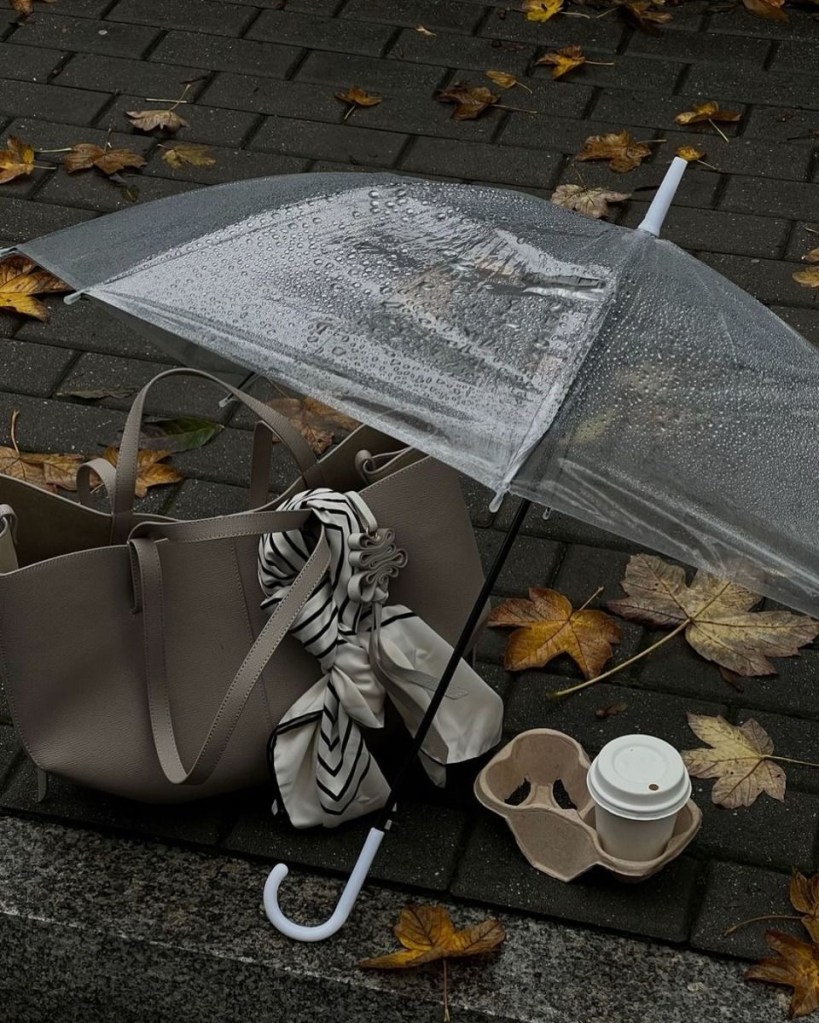
What about some fun and functional monsoon accessories? A transparent dome umbrella not only protects you but also acts as a chic accessory. And when you think about it, is there any other season perfect for flaunting those non-sunlight blocking umbrellas other than monsoon? Suede bags and leather bags are quite vulnerable to rain and moisture and jute or cloth bags absorb water and sag. Waterproof tote bags and faux leather bags are practical and protect your essentials from getting drenched. Go for something that looks luxe, and wipes clean easily. And here’s an underrated tip, rather than completely relying on waterproof handbags, keep your valuables in a ziplock pouch for extra protection. Despite the heavy rain, you can text someone or use the map if your phone is in a zip pouch. Finally, stay stylish with waterproof jewellery like gold-plated, stainless steel, acrylic, and beaded pieces that won’t tarnish or soak up moisture.

Monsoon may be messy, but your style doesn’t have to be. The goal is to look put-together even when the sky is falling!
[monsoon fashion, rainy season outfits, monsoon clothing tips, fashion for rainy days monsoon style guide]
Mastering the Art of Belts

In ancient times, most belts were made of cords or strings that were tied at peoples’ waists to secure their clothing and in some cases, they were also used to hang pouches. From simple strings to ornate belts, belts have come a long way from being a functional accessory to a fashion statement that can instantly elevate the overall look of an attire. This article is all about the do’s and don’ts in styling your belt.

If I ever tucked a top without a belt, my dad would say, “This doesn’t look good without a belt.” One piece of advice from my dad that I try to follow now is to never skip a belt while wearing pants or dresses with ‘belt loops.’ Also, wearing your belt in the loops of your dress in the correct order, starting from the left side and ending with the right side creates a neat appearance. A belt is an outstanding accessory for creating a defined waistline and flattering your figure. Ideally, your belt should sit at your natural waistline, which is the narrowest part of your torso, just above your hips. However, avoid the mistake of wearing a belt too tight, this can not only be super uncomfortable but also creates an unflattering bunching around your waist.

The first step is to choose belts made from structured materials that hold their shape such as a sleek leather belt that adds polish to your outfit. My dad’s leather belt which he purchased from Mumbai more than 30 years ago is still in good condition, which made me realise that investing in a few good-quality belts that will last is a good idea. To make your belts last longer, hang them on belt hangers or hooks to prevent them from creasing and cracking. If hanging isn’t feasible, roll your belts loosely instead of folding them. Don’t hold onto belts that are frayed, cracked, or have broken buckles as it will cheapen your appearance.

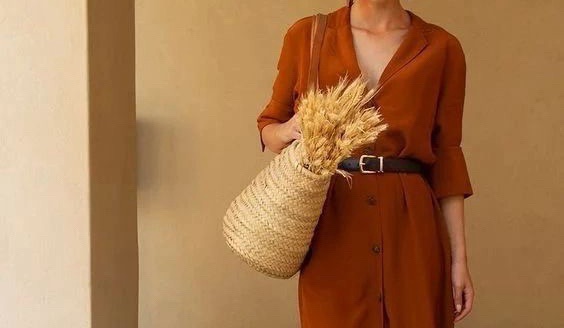
A plain dress acts as a blank canvas for a statement belt which can introduce a pop of colour or a contrasting pattern to elevate the look. If you have a shapelessly hanging loose dress that you’re planning to throw away, try wearing it with a belt. I’ve noticed that most shirt dresses and maxi dresses instantly become better when styled with a belt. Also, outfits with minimal or subtle designs may sometimes appear to be plain. In such cases, a well-chosen belt can come to your rescue. But do not let your belt clash with your attire; wearing a bold, statement belt with a busy patterned dress (such as vibrant floral print, paisley design, animal print or elaborate embroidery) can be a visual overload which makes the outfit look cluttered and overwhelming.

Moreover, belts aren’t always necessary. For instance, if you’re wearing a dress that is already cinched or tight at the waist, let’s say a bodycon dress, a belt might be redundant. Likewise, wearing a belt over a thick sweater or puffy coat can make you look bulky. Always remember that your belt should complement your outfit, not compete with it. 

It is unfortunate that mismatched belts and shoes aren’t necessarily a major fashion mistake anymore. Traditionally, belts and shoes were expected to be the same colour (a brown belt had to be paired with brown shoes) to create a coordinated and put-together look. While matching your belt to your shoes isn’t a hard and fast rule anymore, they shouldn’t clash dramatically. I feel that mismatched colours can create a visually jarring effect and might draw attention away from the rest of your outfit. But if you want to intentionally mismatch, consider using a colour wheel to see which colours naturally go well together or if your outfit has other elements with pops of colour, match your belt to that accent colour for a harmonious look.

Similarly, matching your belt and bag may not be a strict rule, but doing so can certainly make a statement. Another underrated tip I love is matching your belt buckle with your watch for a coordinated look. If you’re wearing a silver watch, you could pair it with a belt that has a similar silver-tone buckle. This creates a cohesive and polished look, tying together your accessories for a more refined appearance. When it comes to accessorizing, the right color combination can make all the difference. Don’t feel like you have to match everything perfectly, but do try to choose colurs that complement each other.

By adhering to the recommended do’s and don’ts explored, you can transform your belts from a functional necessity to a stylish statement piece. So, why not buckle up and add an instant personality to your wardrobe?

-Melanie Ann George

More Than Just a Bracelet: The Legacy of Cartier’s Love Symbol

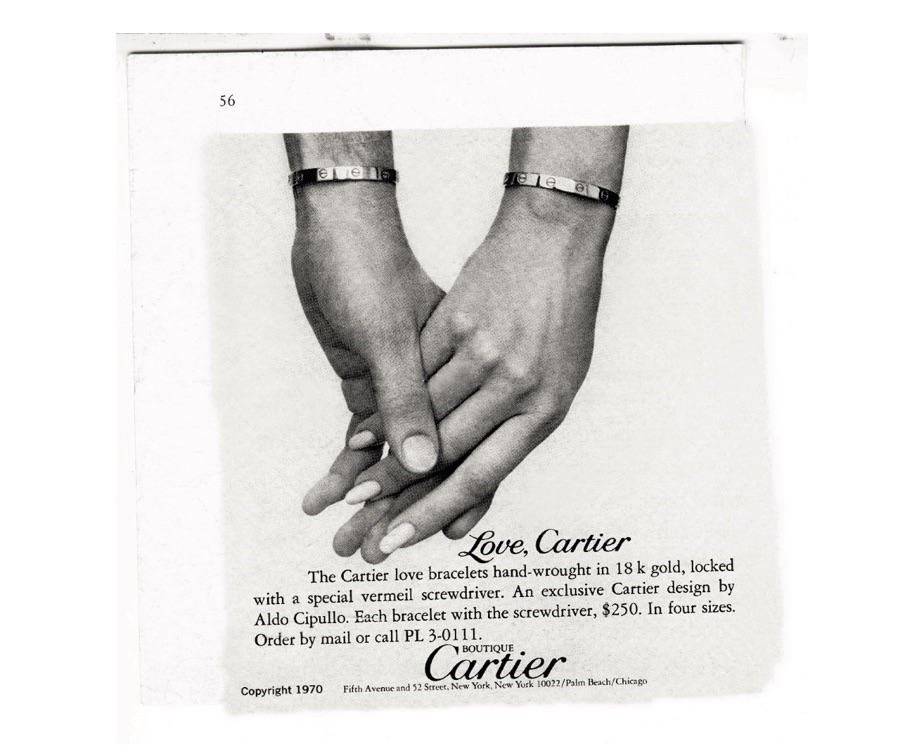
An ad from the ’70s for Cartier’s Love Bracelet

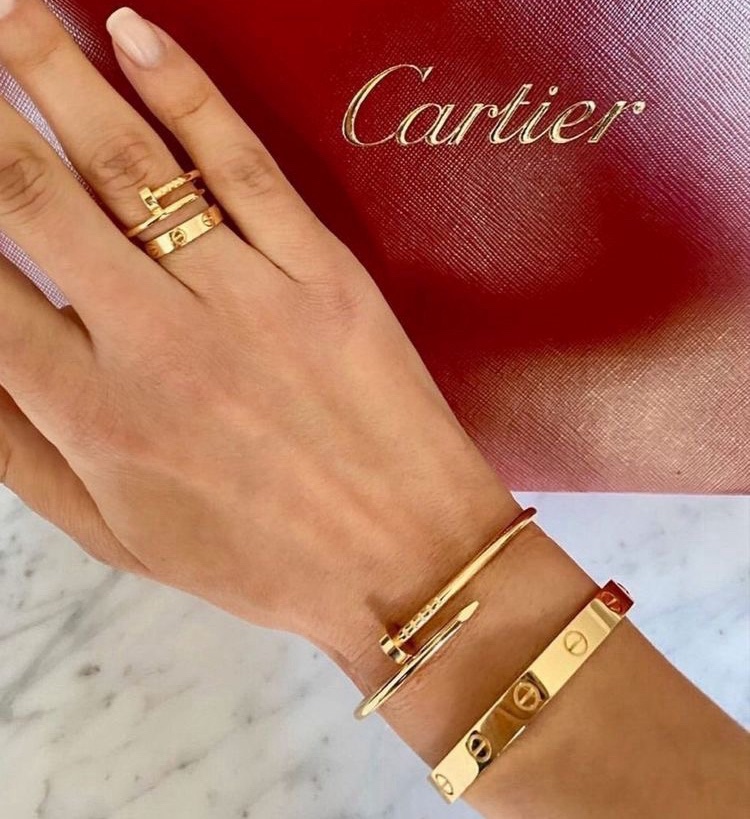
While the circle of the wedding ring represents eternity, signifying the couple’s everlasting love and commitment to each other, in 1969, Aldo Cipullo, an Italian jewellery designer crafted the oval-shaped ‘Cartier Love bracelet’ which also symbolised permanence in love through its sophisticated design. If you are curious to know how the ones who wore the Cartier love bracelets were ‘locked into love,’ keep reading.

Cipullo allegedly came up with the idea of a love bracelet after a relationship ended. He wanted to create a piece of jewellery that symbolized a lasting commitment, unlike the temporary nature of simply slipping on a bracelet. Thus, he designed ‘Cartier Love Bracelets.’ The unique design of the bracelet is what makes it special even after 50 years since its first appearance.

The bracelet comes in two halves that elegantly fit together to form an oval shape. Cipullo made the revolutionary decision to leave the functional and decorative screws visible. This unassuming detail holds the key to the bracelet’s magic. Using the special screwdriver that comes with the bracelet, you turn the screw until the two halves are securely fastened, creating a seamless look. It is designed to be worn with the help of a loved one, someone with whom you can imagine spending the rest of your life. Once locked, the bracelet stays on the wrist until you unlock it with the screwdriver. A love story etched in precious metal, the love bracelet has become a symbol of everlasting love and unyielding commitment due to this extraordinary design.

The Cartier Love Bracelet’s unique closure system isn’t the only thing that sets it apart, its oval shape also plays a major role in its beauty, by adding a touch of elegance to the overall design. Unlike a perfect circle, the oval shape conforms better to the natural curve of your wrist. This provides a more comfortable and secure fit, especially for all-day wear.

It is believed that Cartier Love Bracelets were originally sold as a pair exclusively for couples to wear together, making them the ultimate jewellery statement for any couple who wants to show their love to the world. They also had a policy that Love bracelets couldn’t be purchased for oneself. To spread the word, Cartier gifted these bracelets to some of the most iconic celebrity couples of the century, cementing the romantic symbolism behind the bracelet. From the Duke and Duchess of Windsor to Elizabeth Taylor and Richard Burton, and even Ali McGraw and Steve McQueen, have sealed their love with the help of this exquisite jewellery piece.

Hospitals located in New York are known to have miniature Love screwdrivers available on the wards, to be used in emergency situations when the bracelet needs to be removed. The Cartier Love Bracelet is the most searched jewellery item on Google. Pierre Rainero, Cartier’s director of image, style and heritage, claims that the Love bracelet is a success worldwide because of its design and symbolism. Over time, it has transformed from a representation of love into a symbol of status. It is quite remarkable that the bracelet endured as a fashion statement for generations, even Gen Z adores it.

The bracelet has a rich history spanning decades and has left an indelible impression on the fashion and jewellery industry. In a world where jewellery was reserved for special occasions, the bracelet revolutionized the industry by becoming a permanent fixture, transforming high-end pieces into everyday essentials.

Image source: Pinterest

Enclothed Cognition

The beloved fictional character Anne Shirley from ‘Anne of the Green Gables’ once wisely stated, “It is ever so much easier to be good if your clothes are fashionable.” Similarly, the renowned American designer Edith Head believed that “You can have anything you want in life if you dress for it.” These simple statements shed light on the profound concept of ‘enclothed cognition,’ a fascinating phenomenon highlighting the powerful link between our clothing choices and our mental processes.

A year ago, I had the opportunity to deliver a lecture to a group of graduates who were preparing for an exam. Some of these students were struggling with lethargy and a sense of unfulfillment while working from home, despite landing their dream part-time jobs. I asked them two simple questions: “Do you wear your pyjamas when you work from home?” and “Do you turn on your cameras during the meetings?” As expected, most of them said “yes” to the first question and “no” to the second.

Most people ignore the fact that wearing comfortable and casual clothing might create a more relaxed and laid-back mindset. I gave my students some straightforward advice: dress up for work as if they were in the office and turn on their cameras during meetings. Incredibly, just one week later, some of them approached me to say that they not only felt more confident but were also more productive at work than ever before! The rise of remote work has blurred the lines between work attire and leisurewear. But it is important to keep in mind that dressing in work-appropriate attire, even when working from home, can help maintain a sense of professionalism and focus.

This proves that clothing is not just a superficial aspect of our appearance but can also have a deeper impact on our mindset and behaviour in various contexts. The concept of ‘enclothed cognition’ suggests that our clothing choices extend beyond mere fashion statements: the symbolic meaning and associations attached to certain types of clothing can evoke specific psychological states and influence our behaviour accordingly. It suggests that clothing is a powerful tool that can affect how we think, feel, and act. For instance, when doctors wear white coats, they may feel a sense of responsibility, authority, and expertise, making them more focused and careful in their interactions with patients. Similarly, research has shown that wearing athletic clothing such as gym clothes, can produce a mental state associated with fitness and physical activity, leading to improved motivation and performance.

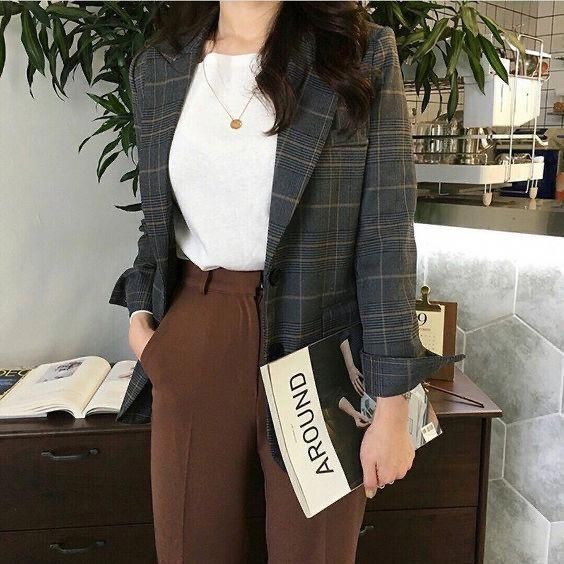
One piece of advice related to enclothed cognition is to be mindful of the clothing choices you make in different situations. Consider how your clothing may influence your thoughts, feelings, and behaviours, and choose outfits that align with the emotions you wish to bring out. We can use clothing as a tool to enhance our self-perception, confidence and performance in various aspects of our lives. If you have an important presentation and want to feel confident and authoritative, try wearing well-fitted formal clothes. As you put on this attire, you may notice a shift in your demeanour and mindset. You stand taller, exude self-assurance, and approach the presentation with a sense of professionalism.

By recognizing the power of clothing to shape our psychological states, we gain a deeper understanding of how our wardrobe choices can influence not only how others perceive us but also how we perceive ourselves. So, next time you choose an outfit, remember that your clothing is more than just a style statement—it’s a powerful tool that can help you unlock your full potential and make a lasting impression on the world.

Design a site like this with WordPress.com
Get started